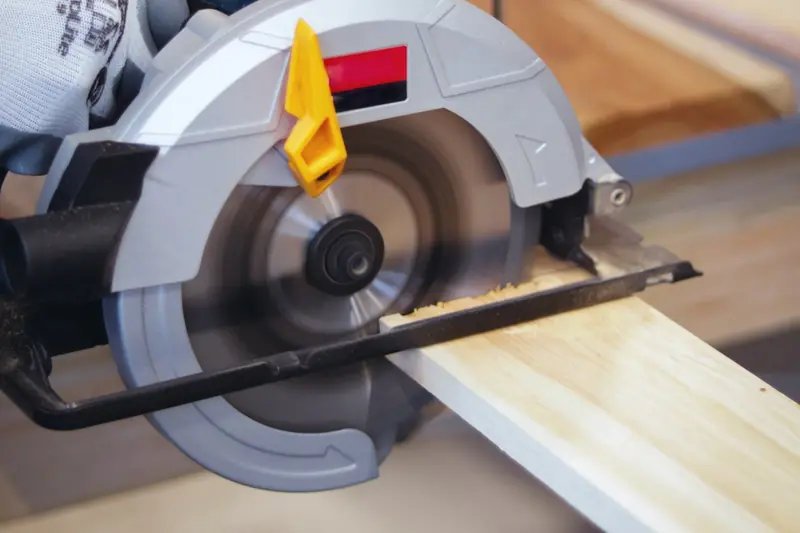
Best Cordless Circular Saws
A cordless circular saw makes straight cuts in lumber and sheet goods without a cord to drag around. The decisions that matter are blade size and cut depth, how long the battery lasts, and how the guard and brake work. This page is for homeowners who want safe, repeatable cuts for decks, shelves and plywood.
Jump to section
What we look for
Blade size and cut depth
cut depth decides whether the saw can go through the lumber you plan to cut.
Brushless motor and runtime
a brushless motor can stretch each charge, and runtime matters on long cuts.
Electric brake
a brake stops the blade quickly after you release the trigger.
Bevel capacity
bevel range lets you cut angles for trim, framing and roof work.
Sight line
a clear view of the blade line helps you cut where you marked.
Guard action and weight
a guard that returns freely is a basic safety feature, and weight affects control.
- Sources: manufacturer product pages and manuals, plus OSHA 3080 and a Bosch circular saw manual for the safety points.
How to choose the right circular saw
If you are new to this saw, start with our guide to using a circular saw safely. If you cut mostly trim and angles, compare it with a miter saw in miter saw vs circular saw.
Blade size and cut depth
Blade diameter sets maximum cut depth. Saws are usually sold by blade size, such as 6-1/2 or 7-1/4 in, and smaller saws trade depth for weight. Bigger blades cut deeper, so check each saw's maximum cut depth at 90° against the lumber you cut, and its depth at a bevel if you cut angles. Check the Max cut depth column rather than the blade size alone.
Brushless motor and runtime
Cordless saws draw a lot of power, so runtime depends on both the motor and the battery. Makita claims its brushless motors are up to 50% more efficient than a comparative model (Makita), which is a maker claim. Check the Recommended battery column, since higher amp-hour packs run longer, and use the maker's batteries. Treat any runtime figure as a rough guide, and compare saws on the same battery size.
Electric brake
An electric brake stops the blade soon after you let go of the trigger. Check the Electric brake column. Whatever the brake does, remove the battery or unplug the saw before you change blades (OSHA 3080).
Bevel capacity
The shoe tilts to cut angled edges. Look at the Bevel capacity column and whether the saw has stops at common angles. If you only cut square across boards and sheets, a wide bevel range matters less. If you cut angles often, see miter saw vs circular saw to decide which saw to buy first.
Sight line
Look for a notch or guide on the base, an LED that lights the line, and a design that lets you see the cut. A good sight line helps you follow a pencil mark or a straight edge. The listing may mention an LED or a laser guide; check the manual for how to set up either one. Read the maker's description of the guide, because the way it works differs by model.
Guard action and weight
OSHA requires the lower guard of a portable circular saw to return automatically to cover the blade when the saw leaves the work (OSHA 3080). Check that it moves freely before every cut. Weight matters too: a lighter saw is easier to control one-handed on a ladder, while a heavier saw is steadier on long cuts. Read how to use a circular saw safely before you start.
Tips for using your circular saw
- Follow your saw's manual. The standard warnings on this page come from OSHA and a Bosch manual, and your own saw's manual comes first.
- Set the blade so less than a full tooth shows below the workpiece (Bosch manual).
- Never hold the workpiece in your hands or across your leg while cutting (Bosch manual). A sturdy workbench helps you clamp the work.
- Connect a shop vac or wear dust protection when you cut, and wear eye and hearing protection. Read our circular saw safety guide before the first cut.
FAQ
Is a circular saw a good first saw?
It can be, as long as the guard works and the blade depth is set correctly. OSHA requires the lower guard on a portable circular saw to return on its own and cover the blade when the saw leaves the work (OSHA 3080). The Bosch manual says to set the depth so less than a full tooth shows below the workpiece (Bosch manual). Your own saw's manual comes first.
What causes kickback?
The Bosch manual describes kickback as the blade pinching as the cut closes, or a twisted or misaligned blade digging in (Bosch manual). Support large panels so the cut stays open, and follow your saw's manual.
Should I buy a 6-1/2 in or a 7-1/4 in saw?
A larger blade cuts deeper, so match the saw to the lumber you cut. Read the maximum cut depth in the table instead of relying on blade size alone, and check the depth at a bevel if you cut angles.
Which battery should I use?
Higher amp-hour packs run longer. Use the batteries and charger the maker recommends for the saw, and look at the Recommended battery column in the table.
Related
-
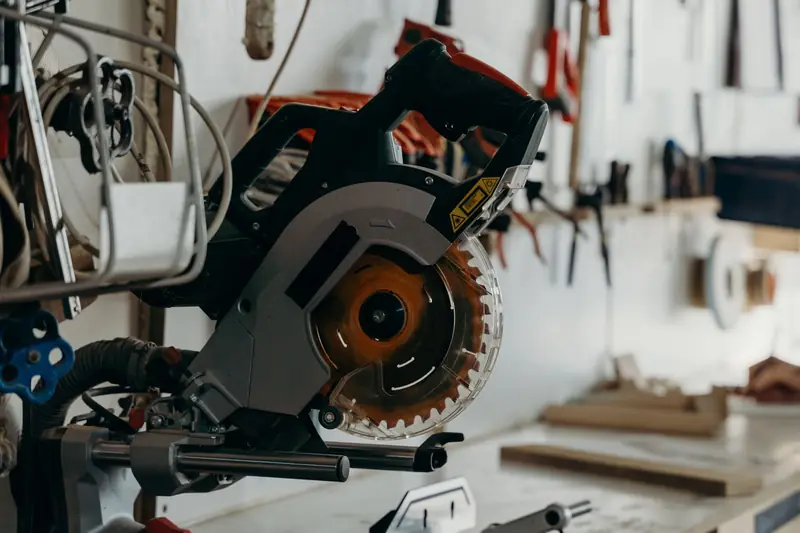
Buying guide
Best Miter Saws for Beginners and Home Projects
Blade size, sliding or fixed, bevel and dust port, side by side.
-
-
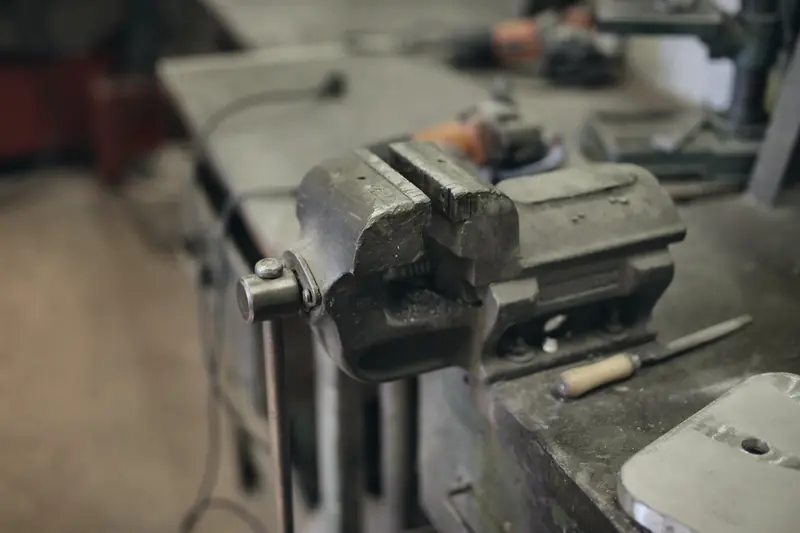
Buying guide
Best Workbenches for Garage and DIY
Load capacity, top material, height and storage, compared.
-
Comparison
Miter Saw vs Circular Saw: Which Saw Should You Buy First?
Repeatable crosscuts and angles vs rips and sheet goods.
-

Guide
How to Use a Circular Saw Safely: A Beginner Guide
Guard, blade depth, support, kickback and grip, step by step.
-



Get the Before-You-Cut Safety Checklist
A printable 8-point check to run before you cut, drill or charge: guards, blade depth, clamping, protection and batteries. Free, and sized for the shop wall.