
Best Cordless Reciprocating Saws
A reciprocating saw pushes a blade back and forth, which makes it the tool for demolition, pruning and cutting through nails and pipe. The decisions that matter are stroke length and speed, how large the saw is, and how easy it is to swap blades. This page is for homeowners tackling remodels and yard work.
Jump to section
What we look for
Stroke length and speed
a longer stroke and a higher speed cut faster in thick material.
One-handed or full-size
compact saws fit tight spaces; full-size saws push through heavier work.
Tool-free blade change
a quick-change clamp lets you swap blades without a wrench.
Vibration control
less vibration means a steadier cut and less fatigue.
Orbital action
orbital action lifts the blade on each stroke for faster cuts in wood.
Brushless motor
a brushless motor can extend runtime on heavy cuts.
How to choose the right reciprocating saw
Reciprocating saws share the safety habits of every power saw. Read power tool safety basics first, then compare this saw with a circular saw if you mostly make straight cuts. If you are choosing a battery platform, our cordless drill buying guide explains the idea.
Stroke length and speed
Stroke length is how far the blade travels, and strokes per minute is how often. Longer strokes and more strokes per minute generally mean faster cutting, so compare them in the table. Check the Stroke length and SPM columns. A variable-speed trigger helps you start a cut slowly and speed up once the blade is set. If you mostly prune and cut small stock, a shorter stroke is enough, and a lighter saw is easier on your arm.
One-handed or full-size
One-handed saws are shorter and lighter, and they suit pruning and plumbing work in small spaces. Full-size saws have more power and a longer reach for demolition. Check the Length and Weight columns. If you cut overhead often, a lighter saw spares your arm. Reach matters too. A longer saw reaches into a wall opening or a thick branch more easily, so compare the Length column with the place where you will work.
Tool-free blade change
Blades dull and break, and swapping them often is part of the job. Check the Blade change column. Whatever the system, remove the battery or unplug the saw before you change a blade (OSHA 3080). Match the blade's teeth per inch and material rating to the job. A saw that holds the blade firmly makes a change quicker and less frustrating.
Vibration control
These saws shake, because the blade moves back and forth. Some models add dampening in the handle or the shoe. The listing may mention anti-vibration but rarely gives a measurement, so take it as a design claim.
Orbital action
Orbital models move the blade in a small oval instead of a straight line. Check whether the saw lets you switch the action off, since the listing and the manual describe when each setting is meant to be used. Check the Orbital column, and look for a switch to turn it off if you cut both. Read the maker's description of the orbital setting in the manual before you use it.
Brushless motor
Makita claims its brushless motors are up to 50% more efficient than a comparative model (Makita), which is a maker claim. Heavy cuts drain a battery quickly, so check the voltage and the battery you plan to use. See brushless vs brushed tools for more.
Tips for using your reciprocating saw
- The trigger should stop the saw when released. OSHA requires a constant-pressure switch on reciprocating saws used at work (OSHA 3080).
- Wear eye and hearing protection; NIOSH lists power tools around 85-90 dBA (NIOSH).
- Use pruning blades for branches and metal-rated blades for pipe.
- A multi-tool handles flush cuts that a reciprocating saw cannot.
- Read your saw's manual for how to hold it and where to rest the shoe before you start a cut.
FAQ
Can I use it to prune trees and shrubs?
Yes, with a pruning blade. A compact one-handed saw is easier to handle for this kind of work.
How do I choose a blade?
Match the teeth per inch and the material rating on the blade label to the job, whether that is wood, metal or pruning.
Why does the saw stop when I release the trigger?
OSHA requires a constant-pressure switch that cuts power when released on hand-held tools such as reciprocating saws used at work (OSHA 3080). Home saws are built the same way, and your manual describes how yours works.
What safety gear should I wear?
Eye protection and hearing protection. NIOSH lists power tools among equipment that produces around 85 to 90 dBA, and advises hearing protection in noisy areas (NIOSH).
Related
-
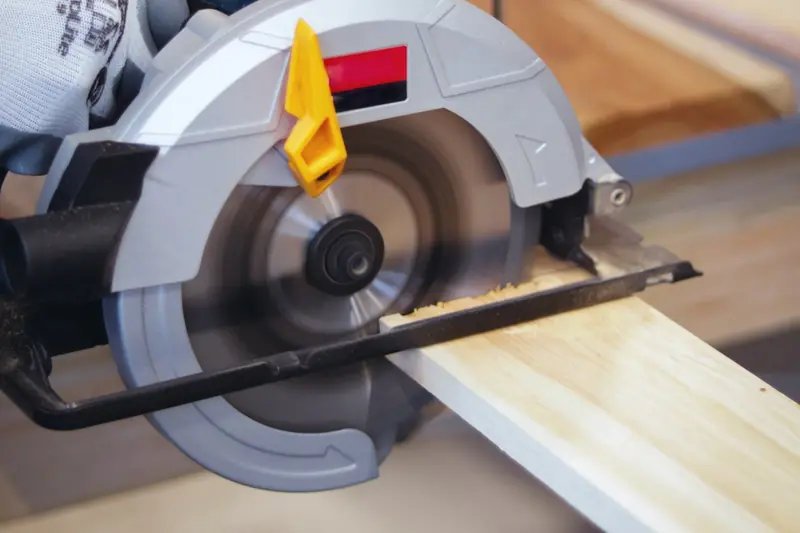
Buying guide
Best Cordless Circular Saws
Blade size, cut depth, brake and weight, plus the safety checks.
-
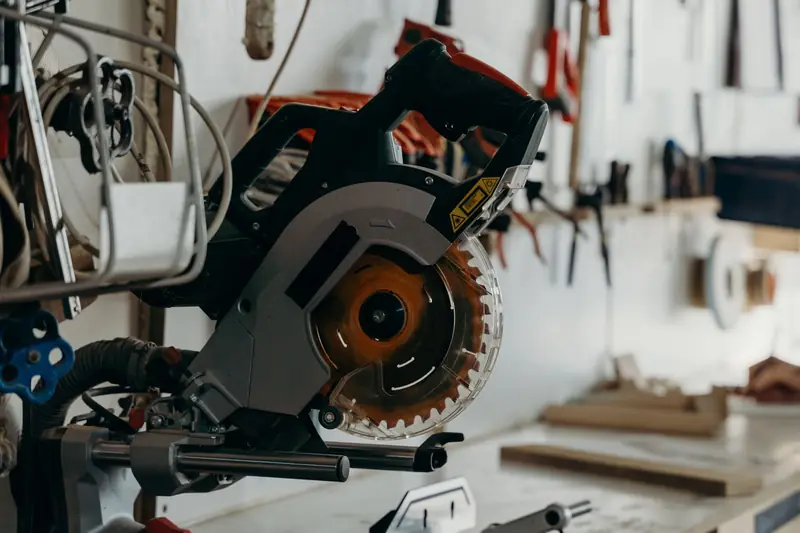
Buying guide
Best Miter Saws for Beginners and Home Projects
Blade size, sliding or fixed, bevel and dust port, side by side.
-
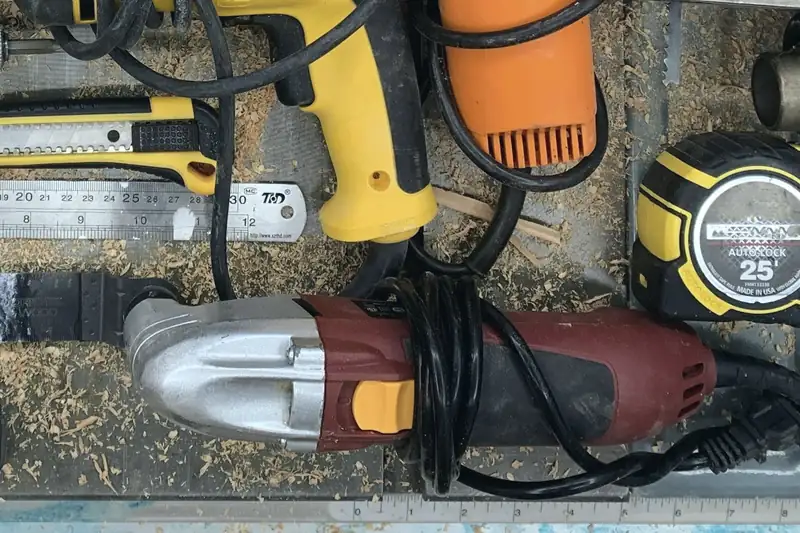
Buying guide
Best Oscillating Multi-Tools
Speed, blade interface, vibration and accessories, compared.
-
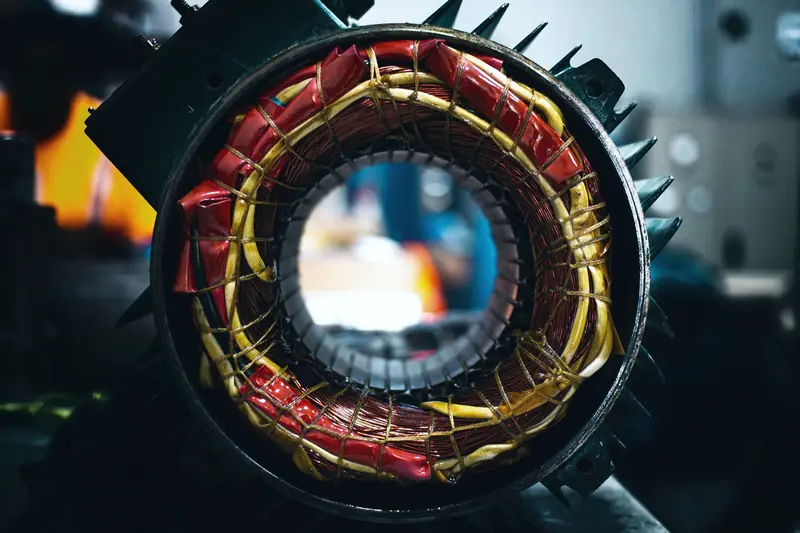
Comparison
Brushless vs Brushed Power Tools: Is Brushless Worth It?
How the motors differ, what makers claim, and when brushed is enough.
-
-
Guide
How to Use a Circular Saw Safely: A Beginner Guide
Guard, blade depth, support, kickback and grip, step by step.


Get the Before-You-Cut Safety Checklist
A printable 8-point check to run before you cut, drill or charge: guards, blade depth, clamping, protection and batteries. Free, and sized for the shop wall.