
Best Shop Vacs (Wet/Dry)
A shop vac picks up sawdust, drywall dust, spills and garage grit that a household vacuum would not survive. The decisions that matter are tank size, how much air it moves, and what filter it uses for fine dust. This page is for homeowners who want a vacuum for a garage, basement or renovation.
Jump to section
What we look for
Tank size
the tank sets how long you can work before you empty it.
Airflow and suction, not just peak HP
peak horsepower is a maker-stated figure, while airflow and water lift describe what the vacuum does.
Filter type
a standard filter misses fine dust that a HEPA filter keeps in the tank.
Hose diameter and length
a wider hose clears debris faster and a longer hose reaches farther.
Noise
shop vacs are loud, and long jobs wear on your ears.
Portability or cordless
wheels, handles and batteries decide how easily it goes where you work.
- Sources: manufacturer product pages and manuals, plus the EPA HEPA page and OSHA silica fact sheet for the dust points.
How to choose the right shop vac
Sizing a shop vac comes down to your jobs and your dust. Start with our guide on what size shop vac you need, and read power tool safety basics for the dust and hearing points that apply to every tool.
Tank size
Tank size is listed in gallons. A bigger tank means fewer trips to the trash, but it is also heavier and harder to store. Think about your biggest job: a whole garage cleanup or a renovation needs more room than a car interior. Our guide on what size shop vac to buy goes through tank size by job. Match the tank size to the biggest cleanup you expect, not the smallest.
Airflow and suction, not just peak HP
Peak HP is a maker-stated motor rating, and the listing does not always say how it was measured. Airflow in CFM and water lift in inches tell you more about how well the vacuum moves air and lifts debris. Check the Airflow and Water lift columns when the listing has them, and compare them across models. Our shop vac guide explains the terms in general terms.
Filter type
A HEPA filter can theoretically remove at least 99.97% of particles at 0.3 microns, according to the EPA (EPA). For drywall dust, concrete dust, and sanding dust, check the HEPA filter available column, and confirm the filter fits your model. Dust from concrete and masonry has its own rules, which our guide covers.
Hose diameter and length
Hose size is listed in inches and feet. A wider hose suits bigger debris and sawdust. A narrower hose is easier to handle. Check the Hose column, and check which accessories come in the box, such as a crevice tool, a floor nozzle and an extension wand.
Noise
NIOSH lists vacuums among equipment around 85-90 dBA (NIOSH). Check the Noise column if the listing gives it, and plan on hearing protection for long jobs. If the listing has no noise figure, follow the NIOSH guidance and wear hearing protection for long jobs.
Portability or cordless
Corded models run as long as you like. Cordless models let you clean a car or an attic without an extension cord, but they run for a limited time and are usually smaller. Check the Cordless column, and the maker's battery platform if you already own other tools. See power tool battery care for charging rules. If you cannot find your maker's battery platform, a corded model is the simpler choice.
Tips for using your shop vac
- Do not clean dust off surfaces, clothing or filters with compressed air or blowers; OSHA says it raises silica exposure, and a HEPA vacuum or wet methods are the alternative (OSHA FS-3630).
- Set up the filter for wet pickup as your manual says.
- Homes built before 1978 may have lead-based paint; the EPA recommends a HEPA vacuum on the work area (EPA).
- Pair the vac with a workbench and a dust port on your saw when you can.
FAQ
What size shop vac do I need?
It depends on the job. Our guide to choosing a shop vac goes through tank size by use.
What does HEPA mean?
A HEPA filter can theoretically remove at least 99.97% of particles that are 0.3 microns in size, according to the EPA (EPA).
Is a shop vac enough for drywall or concrete dust?
For silica dust from concrete or masonry, OSHA calls for a vacuum with a filter that is at least 99% efficient, and says not to clean dust with compressed air (OSHA FS-3630). Check the manual to confirm the vacuum and its filter suit the job.
Can I pick up water with it?
Many shop vacs are wet/dry, but set up the filter for wet pickup as the manual says.
Related
-
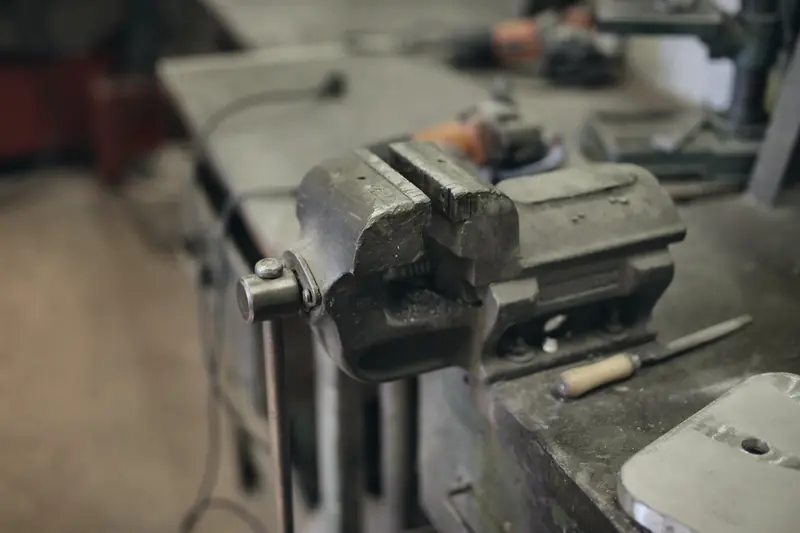
Buying guide
Best Workbenches for Garage and DIY
Load capacity, top material, height and storage, compared.
-
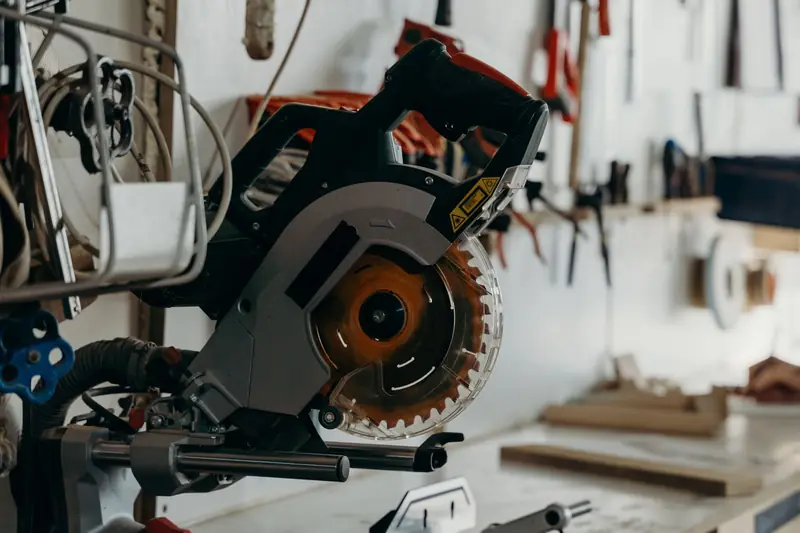
Buying guide
Best Miter Saws for Beginners and Home Projects
Blade size, sliding or fixed, bevel and dust port, side by side.
-
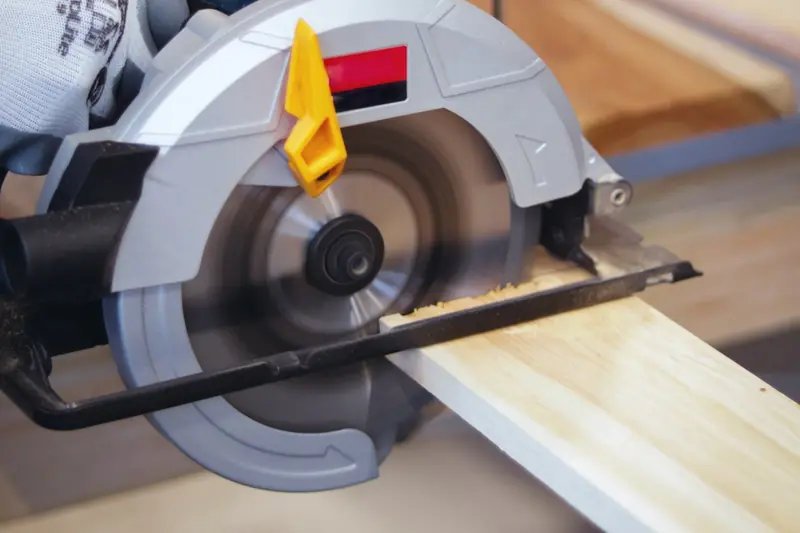
Buying guide
Best Cordless Circular Saws
Blade size, cut depth, brake and weight, plus the safety checks.
-
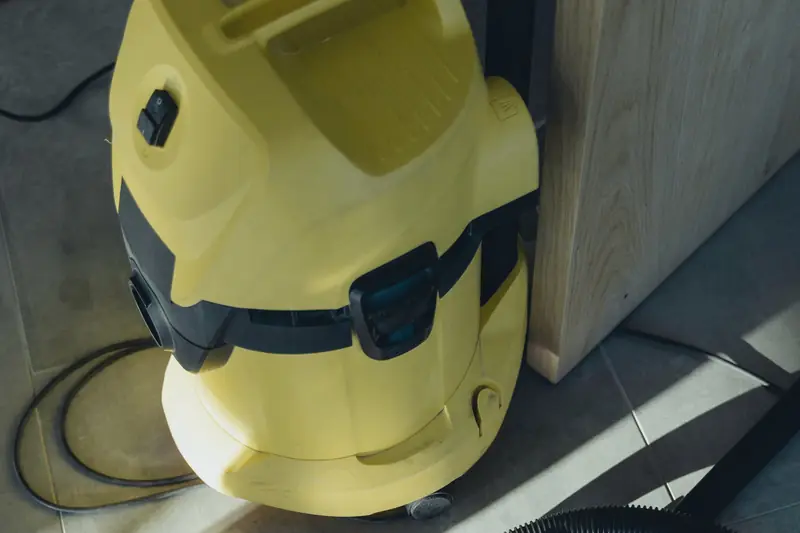
Guide
What Size Shop Vac Do I Need? How to Choose One
Tank size, airflow vs peak HP, HEPA filters and dust safety.
-
-
Guide
How to Charge, Store and Recycle Power Tool Batteries Safely
Charging, storage, taping terminals, recycling and damaged batteries.
Get the Before-You-Cut Safety Checklist
A printable 8-point check to run before you cut, drill or charge: guards, blade depth, clamping, protection and batteries. Free, and sized for the shop wall.